

Availability
We are sorry, there are no rooms available at this accommodation at the moment
Heritage Hotel Lucia
Heritage Hotel Lucia in Dubrovnik stands as a quiet threshold between past and present.
Originally built as an administrative archive in 1980, the building has been carefully transformed into an intimate heritage hotel.
Design Philosophy: The architecture emphasizes natural light, clean geometric proportions, and the quiet elegance of historic stone reimagined for modern luxury.
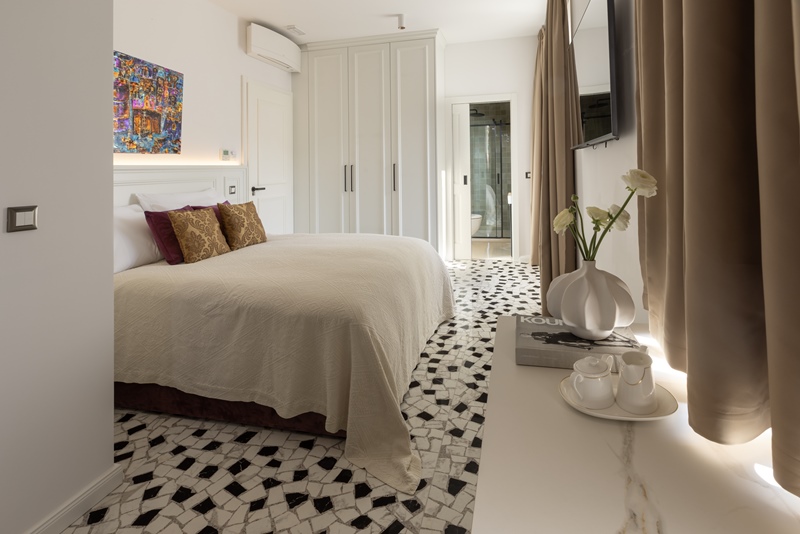
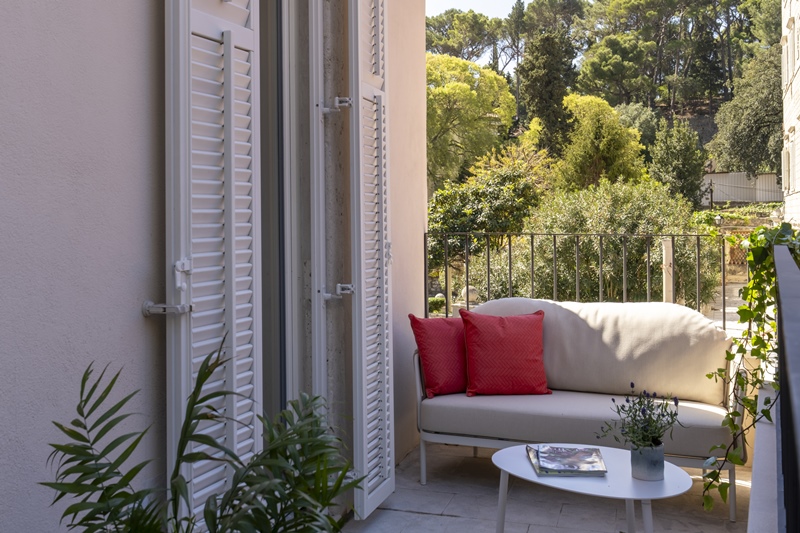
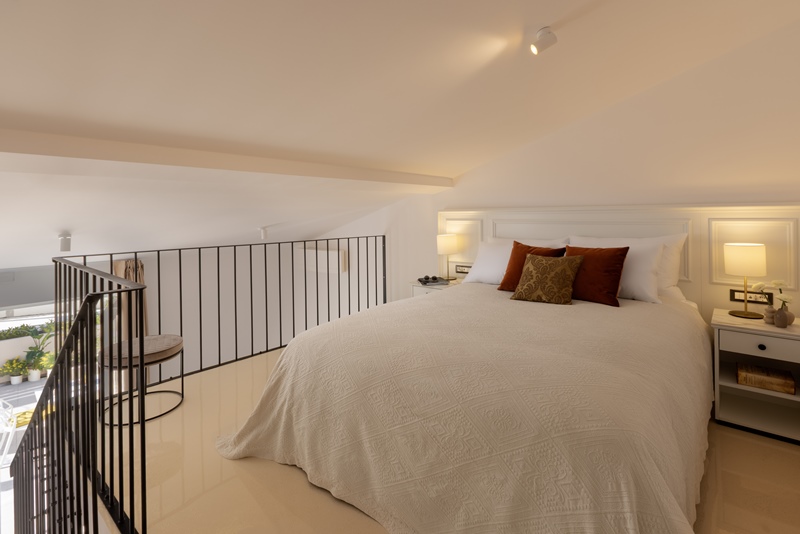
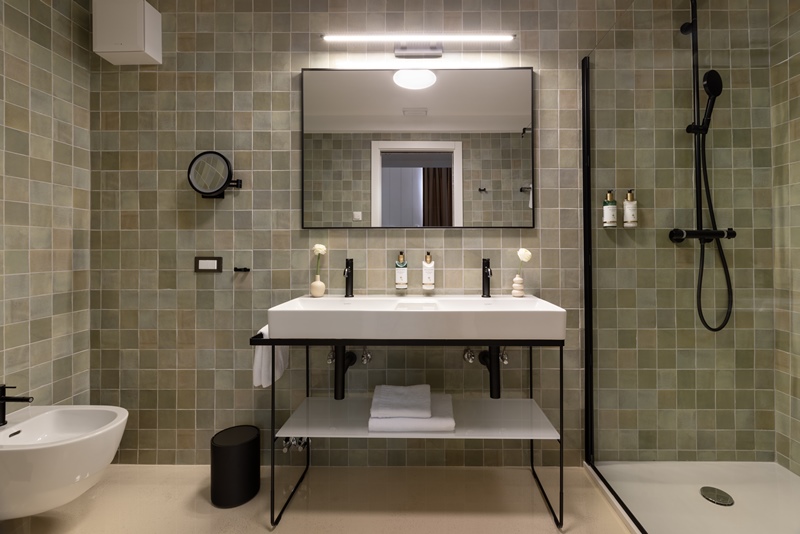
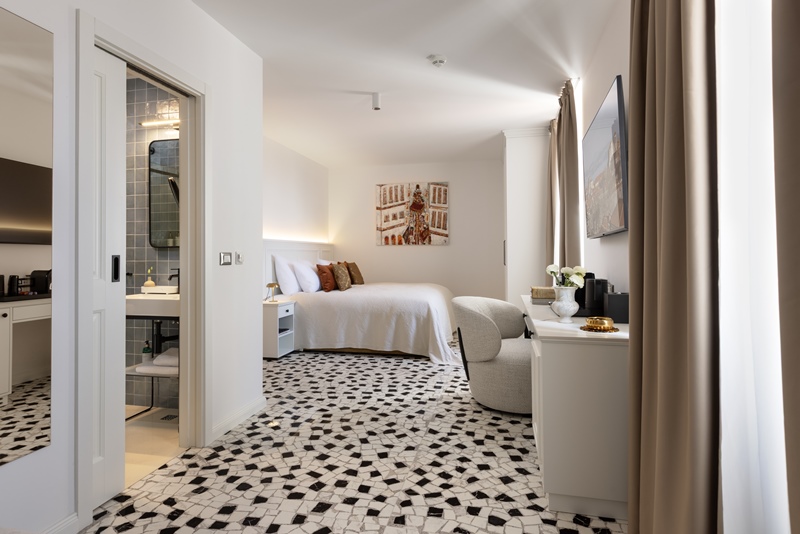
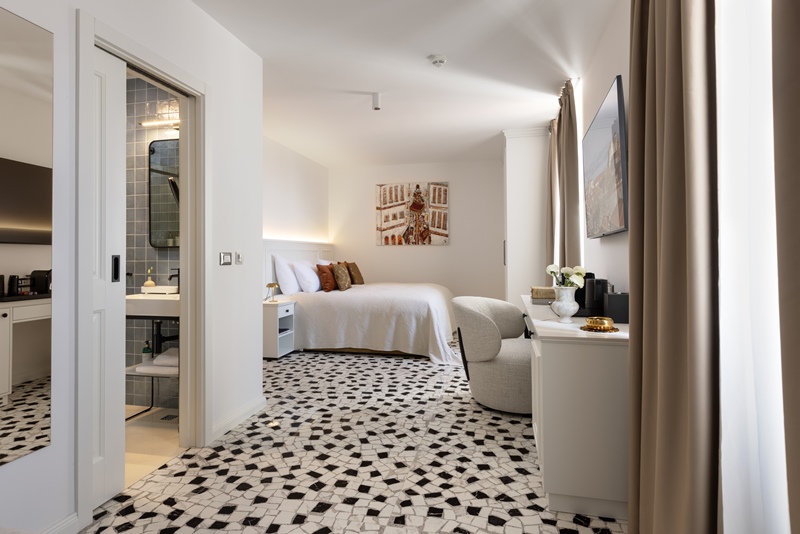
The hotel features bright, thoughtfully designed rooms and suites equipped with premium amenities, soundproofing, and walk-in showers. Room types include:Classic Rooms: Compact and elegant spaces (17 m²) available with or without a private balcony.Superior Rooms: More spacious options (22 m²), with select rooms offering private outdoor balconies.Deluxe Rooms & Suites: Expanded configurations, including a charming Attic Deluxe Room and a premium Duplex Junior Suite.
Inspired by Dubrovnik’s maritime heritage and Mediterranean elegance, Heritage Hotel Lucia blends historic character with quiet contemporary elegance.
Natural textures, curated local artwork, and intimate design create a boutique atmosphere rooted in authenticity and cultural sophistication.
DUBROVNIK • CROATIA
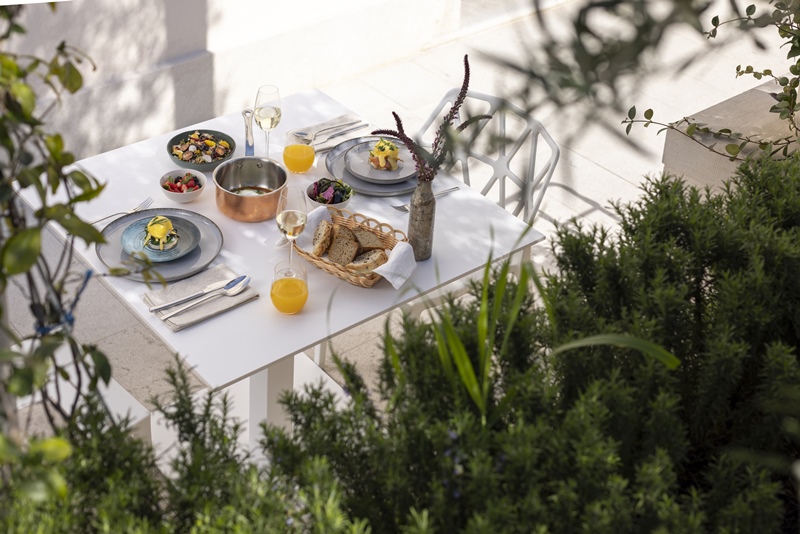
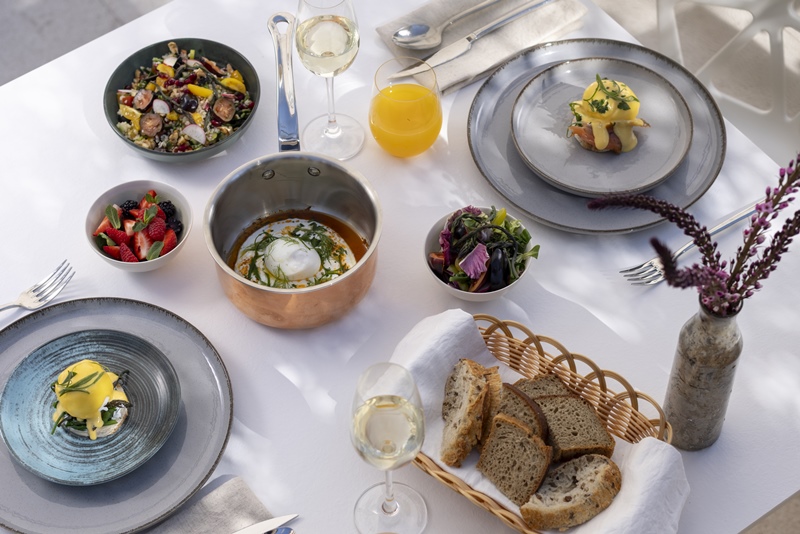
EPILOGO RESTAURANT
Signature restaurant of Heritage Hotel Lucia
Refined cuisine inspired by Dubrovnik and the Mediterranean
Curated tasting menus paired with premium wines
Elegant setting for intimate dining experiences
Terrace capacity: 60 seats
Ideal for:
Weddings
Private dinners
Exclusive events
DANTE RESTAURANT
Authentic Dalmatian cuisine inspired by Croatian
culinary traditions and seasonal Adriatic ingredients
Relaxed boutique dining atmosphere
Artisan products & Adriatic flavors
Indoor seating capacity – 80 guests
Ideal for:
Group dinners
Boutique celebrations
Private events
Check-in time
Check-out time
Facilities
- Air condition
- Balcony
- Breakfast
- Mini-bar
- Safe deposit box
- Satellite TV
- TV
- Wi-Fi
We are sorry, there are no reviews yet for this accommodation.
Dubrovnik
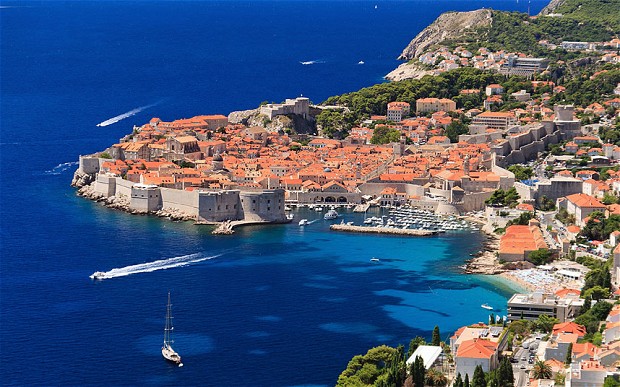
Dubrovnik is located on the thin coast strip between the high hills and the calmness of the Adriatic sea.
The ‘Pearl of the Adriatic’, on the Dalmatian coast, was an important Mediterranean sea power from the 13th century. Dubrovnik was founded in the first half of the 7th century by a group of refugees from Epidaurum, who established their settlement at the island and named it Laus. The Latin name Ragusa (Rausa), in use until the 15th century, originated from the rock (Lat. lausa = rock). Opposite that location, at the foot of Srđ Mountain, the Slavs developed their own settlement under the name of Dubrovnik, derived from the Croatian word dubrava, which means oak woods.
In 1979, the city of Dubrovnik joined the UNESCO list of World Heritage Sites.
Counting only about 35 000 people Dubrovnik is the cultural and social center of the region.
Vegetation in the region is typical, mostly Mediterranean, and it is a result of hundreds of years of human influence. As suited for a merchant harbour city, Dubrovnik mariners traveled far and wide bringing home many tropical and sub-tropical cultures, creating an interesting mixture of plant life.
The name of the most famous street of Dubrovnik is Placa (Stradun) street .
- Dubrovnik is a remarkably well-preserved example of a late-medieval walled city, with a regular street layout. Among the outstanding medieval, Renaissance and Baroque monuments within the magnificent fortifications and the monumental gates to the city are the Town Hall (now the Rector’s Palace), dating from the 11th century; the Franciscan Monastery with its imposing church; the extensive Dominican Monastery; the cathedral (rebuilt after the 1667 earthquake); the customs house (Sponza), the eclectic appearance of which reveals the fact that it is the work of several hands over many years; and a number of other Baroque churches, such as that of St Blaise (patron saint of the city).
The original World Heritage site consisted solely of the defences and the intra-mural city.
It includes the Pile medieval industrial suburb,the Lovrijenac Fortress, located on a cliff,the Lazarets,the Revelin Fortress.
The island of Lokrum lies to the south-east of Dubrovnik, some 500 m from the coast. In 1023 it became a Benedictine abbey.
Dubrovnik is Croatia’s most famous coastal city.
Sports & nature
 Elafiti Islands is the archipelago of thirteen islands streching northwest off Dubrovnik. The name of Elafiti Islands comes from the Greek word elafos, meaning a deer. Out of thirteen islands only three are inhabited.
Nightlife info
 Nightlife in Dubrovnik begins every night after sundown as people start to walk up and down the main street - Placa street (Stradun), in a kind of a customary walk before the good times get rolling.
Almost every side street in the City has a few venues, bars or pubs. Some are more popular than the other. Since the bars can not fit all the people inside, the people crowd the street and it is usual for the waiter to serve them in the street, close to the bar.
Nightlife in Dubrovnik begins every night after sundown as people start to walk up and down the main street - Placa street (Stradun), in a kind of a customary walk before the good times get rolling.
Almost every side street in the City has a few venues, bars or pubs. Some are more popular than the other. Since the bars can not fit all the people inside, the people crowd the street and it is usual for the waiter to serve them in the street, close to the bar.
Culture and history info
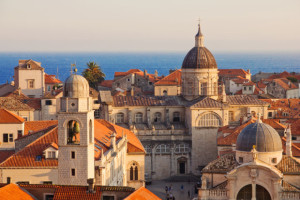 Dubrovnik's most beloved church is St Blaise's church, built in the 18th century in honour of Dubrovnik's patron. Dubrovnik's baroque Cathedral was built in the 18th century and there is an impressive Treasury with relics of Saint Blaise.
A feature of Dubrovnik is its walls that run almost 2 km around the city.
Dubrovnik's most beloved church is St Blaise's church, built in the 18th century in honour of Dubrovnik's patron. Dubrovnik's baroque Cathedral was built in the 18th century and there is an impressive Treasury with relics of Saint Blaise.
A feature of Dubrovnik is its walls that run almost 2 km around the city.
Read more


